
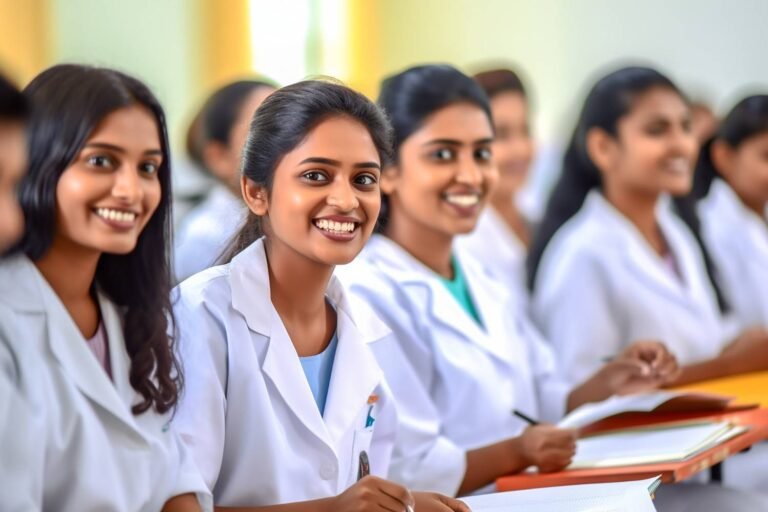
A few years ago, most students choosing between careers thought mainly in terms of engineering, medicine, or a general B.Com or B.A degree. That picture has shifted quite a bit. More students, and more parents too, are now seriously considering paramedical colleges in Udupi alongside these traditional options, and it is not just a passing trend.
There are real, practical reasons behind this shift. Institutions like Moodlakatte College of Nursing have noticed a clear change in the questions families ask during counselling, with many students actively exploring healthcare careers that offer practical skills, stable employment, and meaningful work.
Shorter, More Focused Course Durations
One big reason is shorter, more focused course durations. Many paramedical programs take between two and four years and are designed around specific healthcare skills that prepare students for clearly defined job roles.
As Moodlakatte College of Nursing often explains during counselling, this is quite different from a general degree, which may require additional certifications or postgraduate studies before graduates become fully job-ready. Students who want to enter the workforce sooner often find this approach more practical.
Stronger Job Security in Healthcare
Job security is another important factor influencing students’ decisions. Healthcare remains one of the most stable industries, with hospitals, diagnostic centres, clinics, and rehabilitation facilities continuing to require trained professionals regardless of broader economic conditions.
Graduates from paramedical colleges in Udupi, including those trained at Moodlakatte College of Nursing, often find that their skills remain in demand year after year. This steady demand gives students and families greater confidence when choosing a long-term career path.
A Shift Toward Hands-On Learning
Many students also prefer learning through practical experience rather than spending years focused mainly on classroom theory. Paramedical education introduces laboratory sessions, clinical training, and real patient exposure much earlier in the course.
Moodlakatte College of Nursing regularly meets students who choose this pathway because they enjoy applying their knowledge in real healthcare settings. For many learners, this hands-on approach makes education more engaging and prepares them better for professional responsibilities.
Cost Is a Quiet but Real Factor
Cost is another consideration, even if families do not always mention it first. Compared with longer professional programs such as MBBS or engineering followed by higher studies, paramedical courses are often more affordable because they involve fewer years of tuition and related expenses.
For families planning their educational budget carefully, paramedical colleges in Udupi provide an opportunity to pursue a respected healthcare career without the financial commitment associated with much longer degree programs.
A Deliberate Choice, Not a Fallback Anymore
Choosing a paramedical course is no longer viewed as simply an alternative when other options are unavailable. Today, many students select these programs because they genuinely want a career in healthcare that combines practical skills with meaningful patient care.
Moodlakatte College of Nursing has observed this gradual change over the years. More students now approach counselling sessions already informed about paramedical colleges in Udupi and view these courses as well-planned career choices rather than backup options.
Frequently Asked Questions
Yes. Most paramedical programs run between two and four years, making them shorter than many traditional professional degree pathways.
Healthcare remains one of the most stable sectors, creating consistent demand for qualified paramedical professionals.
Generally, yes. Their shorter duration often means lower tuition fees and reduced overall education costs.
Most courses require PUC with Physics, Chemistry, and Biology, although eligibility requirements may vary depending on the program.
No. They are increasingly recognised as professional healthcare qualifications that offer rewarding and respected career opportunities.
Yes. Many graduates continue with advanced specialisations, postgraduate programs, or additional certifications to expand their career opportunities.
